
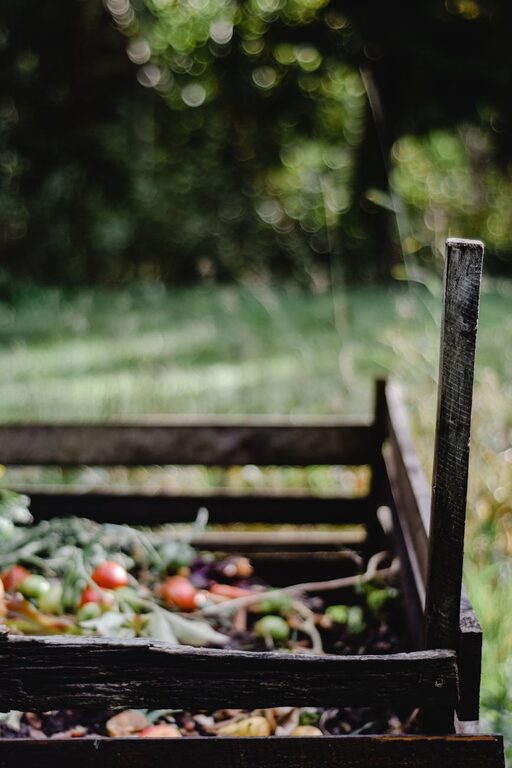
Composting is a fantastic way to reduce waste, enrich your garden soil, and contribute to a healthier environment. If you’re new to composting, the process might seem intimidating, but with a few simple tips, you can start composting at home easily and effectively. This guide will walk you through the basics of composting and offer practical advice to help you get started.
What Is Composting?
Composting is the natural process of breaking down organic materials, such as food scraps and yard waste, into a rich, soil-like substance called compost. This nutrient-rich compost can be used to improve soil health, support plant growth, and reduce the need for chemical fertilizers.
Benefits of Composting at Home
– Reduces household waste: Diverts organic waste from landfills
– Improves soil quality: Adds nutrients and enhances soil structure
– Saves money: Reduces the need for store-bought fertilizers
– Supports plants: Encourages healthy root development
– Environmental impact: Helps lower greenhouse gas emissions
Getting Started: What You’ll Need
Starting composting at home doesn’t require fancy equipment or a lot of space. Here’s what you need to begin:
– A compost bin or a designated compost pile area
– A mix of “greens” and “browns” (more on this below)
– A garden fork or shovel for turning the compost
– Water to keep the compost moist
Choosing the Right Compost Bin
You can choose from several types of compost bins depending on your space and preferences:
– Tumbler bins: Easy to rotate, speed up decomposition, ideal for small spaces
– Stationary bins: Simple containers or boxes, can be homemade or bought
– Compost piles: Just a designated spot in your yard, requires manual turning
Whatever you choose, make sure it allows airflow to help the breakdown process and keeps pests away.
Understanding Greens and Browns
Successful composting relies on balancing two types of materials:
– Greens (Nitrogen-rich): Kitchen scraps like vegetable peels, fruit scraps, coffee grounds, grass clippings
– Browns (Carbon-rich): Dry leaves, shredded newspaper, cardboard, sawdust, straw
A good rule of thumb is to mix about two-thirds browns with one-third greens. This balance helps the compost break down efficiently without becoming too wet or smelly.
What to Compost — And What to Avoid
Items to Compost
– Fruit and vegetable scraps
– Coffee grounds and filters
– Tea bags (without plastic)
– Eggshells (crushed)
– Grass clippings and plant trimmings
– Dry leaves and straw
– Shredded paper and cardboard (non-glossy)
Items to Avoid
– Meat, dairy, and oily foods (can attract pests)
– Diseased plants
– Pet waste
– Treated wood or sawdust with chemicals
– Glossy or colored paper
Steps to Compost at Home
1. Prepare Your Compost Area
Choose a spot in your yard or keep the bin in a convenient place. If using a bin, ensure it has air holes for ventilation.
2. Start Layering
Begin by adding a layer of browns to the bottom, which helps with drainage and airflow. Then alternate layers of greens and browns.
3. Keep It Moist
Your compost should be as damp as a wrung-out sponge. Water it occasionally if it feels dry, especially during hot weather.
4. Turn the Compost
Mix the compost pile every week or two to aerate it and speed up decomposition.
5. Monitor and Adjust
If your compost smells bad, add more browns and turn it more often. If it’s dry, add greens and water it.
Troubleshooting Common Compost Problems
– Bad odors: Too many greens or lack of oxygen — add browns and turn more
– Pile too dry: Water gently to keep moisture balanced
– Pests: Avoid putting meat and fatty foods in the compost and make sure your bin is secure
– Slow decomposition: Chop materials into smaller pieces and turn the pile regularly
When Is Compost Ready?
After a few months, your compost should look dark, crumbly, and smell earthy. This finished compost can be mixed into garden beds, used as mulch, or added to potted plants.
Tips for Composting in Small Spaces
– Use a compact compost tumbler or worm bin (vermicomposting)
– Collect kitchen scraps in a small indoor container
– Consider community composting programs if home space is limited
Final Thoughts
Composting at home is a rewarding way to connect with nature and reduce your environmental impact. With these beginner tips, you can start turning everyday kitchen and garden waste into valuable compost that nourishes your plants and enriches your soil. Remember, composting is a learning process — don’t be afraid to experiment and find what works best for your home garden.
Happy composting!