
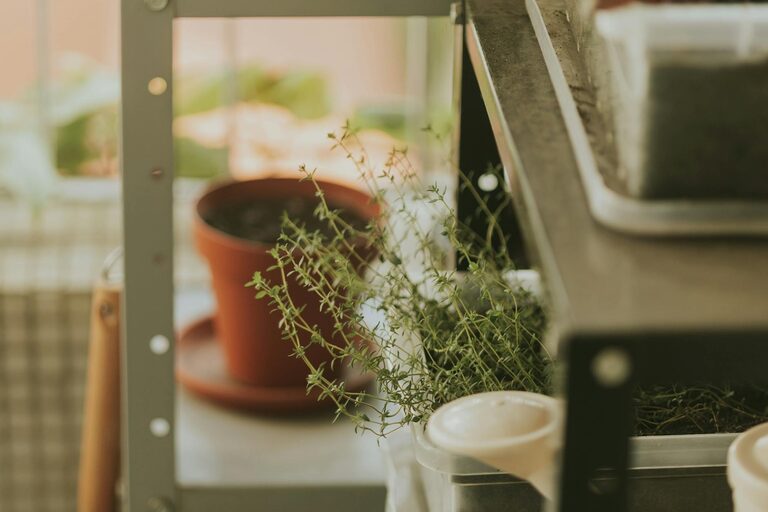
Starting an herb garden indoors is a rewarding and enjoyable way to bring fresh flavors into your cooking and add a touch of greenery to your home. Even if you don’t have a backyard or outdoor space, a small indoor herb garden can thrive on a sunny windowsill or under grow lights. This guide will walk you through everything you need to know to successfully grow and maintain an indoor herb garden.
Why Grow Herbs Indoors?
Growing herbs indoors offers many benefits:
– Fresh herbs available year-round
– Control over growing conditions
– Saves money compared to buying fresh herbs frequently
– Adds natural beauty and fragrance to your living space
– Ideal for small apartments or places without outdoor garden space
Choosing the Right Herbs for Your Indoor Garden
Not all herbs thrive indoors equally. When selecting plants, consider:
– Light requirements: Some herbs need more sunlight than others.
– Space: Choose herbs that won’t grow too large if space is limited.
– Usage: Pick herbs you use most often in your cooking.
Popular Indoor Herbs
Here are some herbs well-suited for indoor growing:
– Basil: Prefers lots of sunlight; great in Italian dishes.
– Parsley: Tolerates moderate light; versatile herb.
– Mint: Grows well in indirect light; spreads quickly, so pot it separately.
– Chives: Needs moderate to bright light; adds flavor to salads and soups.
– Thyme: Thrives in bright, sunny spots; low maintenance.
– Cilantro: Prefers bright light and cooler temperatures.
– Oregano: Loves sunlight and is drought tolerant.
Tools and Supplies You’ll Need
Before you start, gather these essentials:
– Small pots with drainage holes
– Potting soil formulated for herbs or indoor plants
– Seeds or starter plants
– Fertilizer (balanced, water-soluble)
– Watering can or spray bottle
– Supplementary grow lights (optional, for low-light spaces)
– Trays to catch excess water
Steps to Start Your Indoor Herb Garden
1. Find the Right Location
Herbs typically require 6 to 8 hours of direct sunlight each day. South-facing windows are ideal. If natural light is limited, consider LED grow lights which provide the spectrum plants need without heating up the room.
2. Choose Containers
Select pots with drainage holes to prevent water buildup, which can cause root rot. Depending on space, you can use individual small pots or a larger container with multiple herbs planted together. Herbs like mint should be planted alone due to their invasive roots.
3. Prepare Potting Mix
Use a light, well-draining potting mix designed for indoor plants. Avoid garden soil, which can be too heavy and may contain pests or diseases.
4. Plant Your Herbs
If using seeds, follow the packet instructions for planting depth and spacing. For starter plants, loosen roots gently and place them in soil, covering roots fully. Water thoroughly after planting.
5. Watering
Water your herbs when the top inch of soil feels dry. Most herbs prefer slightly moist soil, but avoid overwatering. Using pots with drainage helps prevent soggy soil. Misting leaves occasionally can increase humidity, especially in dry homes.
6. Provide Proper Light
Place herbs in a sunny window or under grow lights for at least 6 hours daily. Rotate pots regularly to ensure even growth on all sides.
7. Fertilize Regularly
Feed your herbs with a dilute liquid fertilizer every 4-6 weeks during the growing season. Too much fertilizer can cause fast leafy growth but reduce flavor.
8. Prune and Harvest
Harvest herbs regularly by pinching off leaves or stems. This encourages bushier, healthier plants. Avoid cutting more than one-third of the plant at a time.
Troubleshooting Common Problems
– Yellow leaves: Often a sign of overwatering or poor drainage.
– Leggy plants: Herbs stretch toward light; increase lighting or move plants closer to the window.
– Pests: Occasionally indoor herbs attract aphids or spider mites; wipe leaves with soapy water or use insecticidal soap.
– Slow growth: Check light, water, and soil quality. Remember herbs grow slower indoors than outdoors.
Tips for Success
– Start small with a few easy-to-grow herbs before expanding your garden.
– Group herbs with similar light and water needs together.
– Use clean, sterile containers to reduce disease risk.
– Experiment with different varieties to find what grows best in your space.
Conclusion
Growing a small herb garden indoors is a fun, manageable way to enjoy fresh herbs year-round while brightening your home. With just a bit of preparation and regular care, you can have a thriving indoor herb garden to spice up your meals and living environment. Start with easy herbs like basil or parsley, provide plenty of light and proper care, and enjoy the satisfaction of growing your own fresh flavors right on your windowsill.
Happy gardening!