
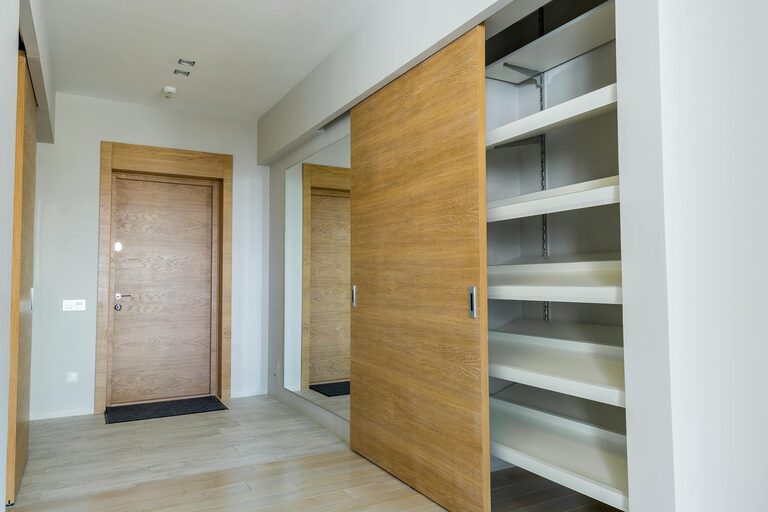
Creating an organized entryway not only makes your home more inviting but also helps maintain order as you come and go. The entryway is the first space guests see and the last space you pass through daily. Without a clear system, it can quickly become a clutter hotspot. Fortunately, organizing this area doesn’t have to be overwhelming. Here are simple and effective ways to transform your entryway into a tidy, functional space.
Why Organize Your Entryway?
Before diving in, it’s helpful to understand why organizing your entryway matters:
– First impressions count. A neat entryway sets a positive tone for your entire home.
– Easier daily routines. Keeping essentials in one place saves time and stress.
– Reduce clutter throughout the house. A designated space prevents items from scattering.
– Create a welcoming atmosphere. A well-organized space feels calm and inviting.
Step 1: Clear the Clutter
Start by removing everything from your entryway. Sort items into categories:
– Keep (essential daily items)
– Donate or discard (unused or no longer needed)
– Relocate (items that belong elsewhere)
This fresh start lets you see the space clearly and decide what really belongs there.
Step 2: Choose Functional Furniture and Storage
The right furniture and storage solutions set the foundation for an organized entryway.
Essential Furniture Pieces
– Console table: A slim table provides a surface for keys, mail, and decor.
– Bench: A bench offers seating to put on shoes and often includes hidden storage.
– Coat rack or hooks: Perfect for hanging coats, hats, and bags to keep them off the floor.
– Shoe storage: Cabinets, cubbies, or racks keep shoes organized and out of the way.
Storage Ideas
– Baskets and bins: Use labeled baskets for gloves, scarves, or pet supplies.
– Trays or dishes: Place a tray on a console table for keys, wallets, and coins.
– Wall-mounted organizers: Shelves or mail holders keep things off the floor and easy to reach.
Step 3: Use Vertical Space
When floor space is limited, think vertically.
– Install a pegboard or wall hooks to hang everything from bags to umbrellas.
– Use floating shelves for decorative items or storage bins.
– Attach a mirror with a small shelf underneath for last-minute checks and holding small items.
Step 4: Create Zones for Different Purposes
Organize the entryway by dividing it into zones, so everything has its place.
– Drop zone: For keys, mail, sunglasses, and wallets right by the door.
– Outerwear zone: Hooks or a coat rack for jackets and hats.
– Shoe zone: Nearby shoe storage to keep footwear contained.
– Seating zone: A bench or chair for putting on or taking off shoes comfortably.
Step 5: Maintain Daily Habits
Even the best setup requires daily care.
– Make it a habit: Spend a few minutes each day putting items back in their place.
– Empty your pockets: As soon as you enter, empty your pockets into the drop zone.
– Regularly purge: Monthly, review the area to remove unnecessary items.
Bonus Tips for Entryway Organization
– Add lighting: A well-lit entryway feels cheerful and makes it easier to find things.
– Use decorative elements: Plants, artwork, or rugs can elevate the space without adding clutter.
– Personalize your space: Use colors, patterns, or items that reflect your style to create an inviting feel.
– Keep essentials visible: Avoid overstuffing storage, or you might forget what’s inside.
Final Thoughts
Organizing your entryway doesn’t have to be complicated or expensive. By clearing clutter, choosing smart furniture, utilizing your vertical space, and maintaining simple daily habits, you can create an entryway that welcomes you home and keeps your essentials in check. Start small, and enjoy the peace that an organized space brings.
—
Remember, your entryway is the gateway to your home. A thoughtfully arranged and maintained space can make everyday routines smoother and more enjoyable. Give these tips a try, and watch your entryway transform into a neat and stylish hub.