
Caring for your clothes properly not only saves money but also helps reduce waste and supports a more sustainable lifestyle. Many of us invest in quality pieces but may not always know how to maintain them to ensure they stay in great condition. This guide offers practical tips to help you care for your clothes longer, keeping your wardrobe fresh and wearable over time.
Understanding Your Clothing Labels
One of the best ways to care for your garments effectively is to read and follow the care instructions on their labels. These small tags hold essential information about fabric composition and recommended washing, drying, and ironing methods.
– Look for washing temperature guidelines to avoid shrinking or color fading.
– Check if the item requires hand washing or dry cleaning.
– Note special instructions like “do not tumble dry” or “iron inside out.”
Following these instructions reduces the risk of damage and keeps clothes looking new.
Washing Tips to Preserve Fabrics
How you wash your clothes plays a significant role in their longevity. Here are some washing tips to protect your garments:
Use the Right Detergent
– Choose detergents that match your fabric needs. For delicate items, use gentle or wool-specific detergents.
– Avoid using too much detergent, which can leave residues and dull the fabric.
Wash Inside Out
Turning clothes inside out before washing helps protect the outer surface from friction, fading, and pilling.
Use Cold Water When Possible
Cold water washing is gentler on fabrics and helps prevent colors from bleeding and shrinking.
Don’t Overload the Washer
Overloading causes clothes to rub more aggressively against each other, increasing wear and tear.
Separate Clothes by Color and Fabric Type
Separate whites from colored items to prevent color transfer, and wash delicate fabrics separately to avoid damage.
Drying Techniques for Longer Wear
Drying methods can significantly impact your clothes’ lifespan. Here’s how to dry effectively:
Air Dry When Possible
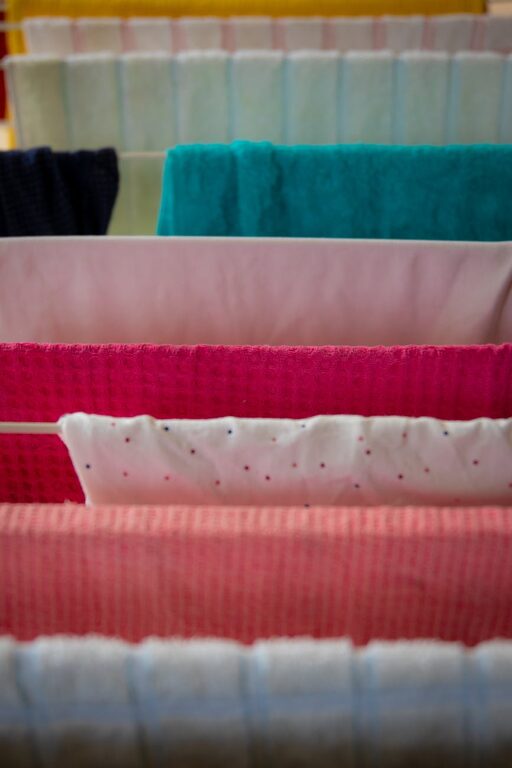
Air drying is gentler and reduces fabric stress. Hang clothes on a line or drying rack away from direct sunlight to avoid color fading.
Avoid High Heat in the Dryer
If you use a dryer, opt for low heat settings. High heat can shrink fabrics, weaken fibers, and fade colors.
Use Dryer Balls
Dryer balls help improve air circulation and reduce drying time, which is kinder to fabrics.
Remove Clothes Promptly
Taking clothes out of the dryer as soon as they’re dry prevents wrinkles and reduces the need for ironing.
Proper Storage to Maintain Shape and Quality
How you store your clothes also impacts how long they last. Here are smart storage tips:
Fold Heavy Knits
Heavy sweaters and knits should be folded to prevent stretching and distortion.
Use Padded Hangers
For delicate garments or those prone to shoulder bumps, use padded or shaped hangers.
Avoid Overcrowding
Give clothes room to breathe in your closet to prevent wrinkles and fabric stress.
Store Seasonal Clothes Properly
Clean clothes before storing them seasonally to prevent stains from setting and to avoid attracting pests.
Repair and Refresh Clothes Rather Than Replace
Small repairs can extend the life of your garments considerably.
– Sew on loose buttons immediately.
– Fix small tears or holes to prevent them from growing.
– Refresh clothes by steaming to remove wrinkles and odors.
– Use fabric shavers to remove pills and fuzz.
Additional Tips for Specific Fabrics
Different fabrics require tailored care:
Cotton
Cotton is durable but prone to shrinking. Use cold or warm water and avoid high dryer heat.
Wool
Wool garments benefit from hand washing or dry cleaning. Avoid rubbing and wringing, and dry flat to prevent misshaping.
Silk
Silk is delicate — hand wash with a gentle detergent or dry clean. Avoid direct sunlight when drying.
Synthetic Fabrics
Polyester and nylon dry quickly and resist wrinkles. Use cold water washing and tumble dry low.
Conclusion
Taking a few extra steps to care for your clothes can dramatically increase their lifespan and keep them looking their best. Simple habits like reading care labels, washing thoughtfully, drying gently, storing properly, and repairing promptly all contribute to your wardrobe’s durability. Adopting these practices not only saves money but also supports sustainable fashion by reducing the need for frequent replacements. With a bit of care, your favorite clothes can stay fresh, comfortable, and stylish for years to come.